When we talk about EdTech innovation, the conversation often centers on Silicon Valley. But the real revolution in access and scale is happening in the Gulf, India, and Africa.
These regions face unique challenges—varying internet connectivity, massive student populations, and diverse linguistic needs. Yet, educators here are building some of the most resilient and inclusive learning models in the world. Their secret? A focus on mobile-first accessibility and scalable automation.
India
Massive scale requires low-latency, mobile-first delivery.
The Gulf (GCC)
High demand for premium, personalized, and accredited education.
Africa
Resource optimization and offline-ready content are critical.
1. Mobile Is the Primary Classroom
In India and many parts of Africa, the smartphone is not a secondary device—it is the only device. EdTech platforms that succeed here, like Vacademy, prioritize a seamless mobile experience.
It’s not just about responsive design; it’s about lightweight apps that consume less data and work reliably on 4G networks. This "access-first" approach ensures that quality education reaches the remote village as effectively as the metropolitan city.
Learning on the Go: The New Standard
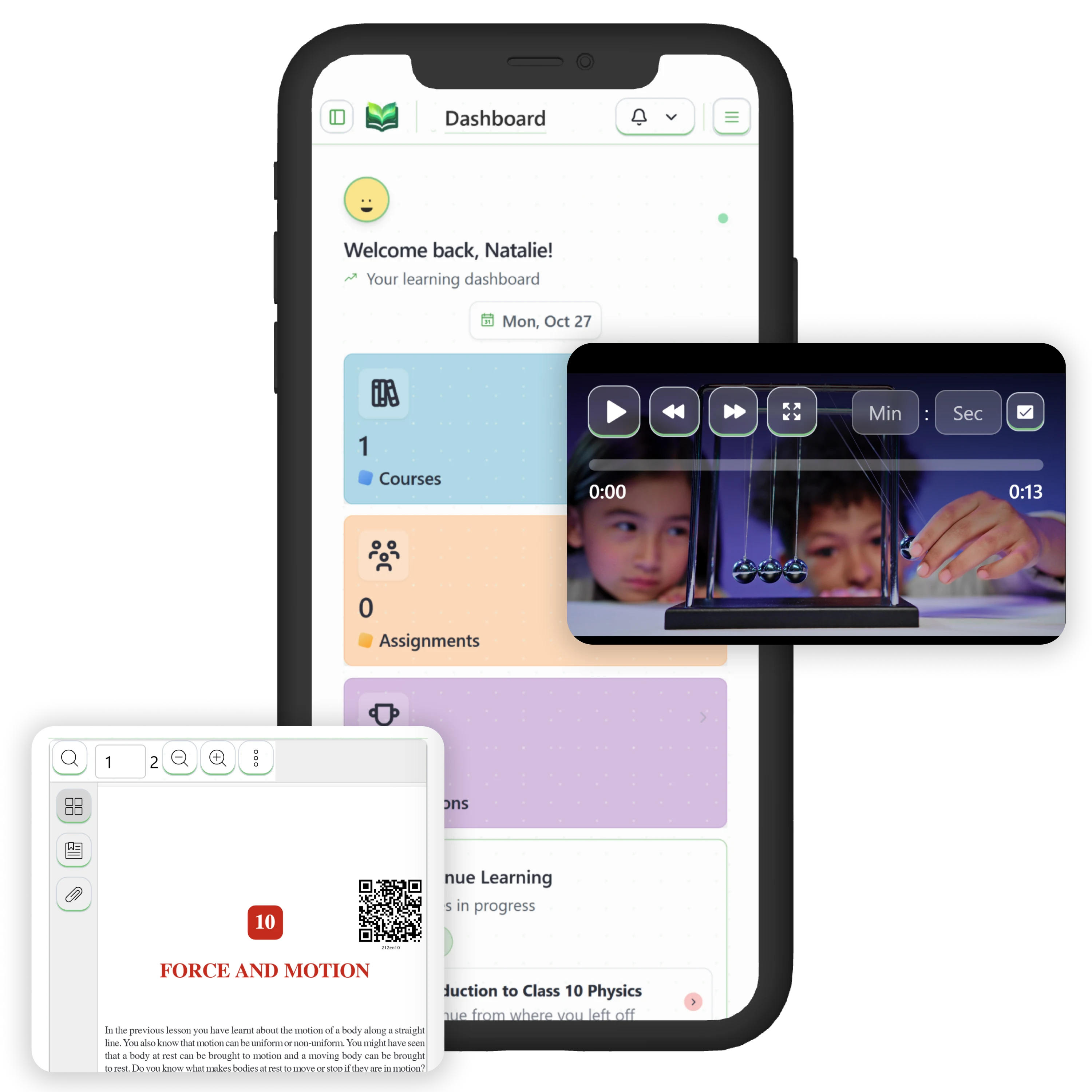
Vacademy mobile apps ensure students can attend live classes, submit assignments, and take tests—anytime, anywhere.
2. Scaling Personalization with AI
In the Gulf, specifically, there is a premium on personalized attention. But how do you provide personal feedback to 500 students?
The answer lies in AI-driven assessment tools. Vacademy's AI can generate quizzes, grade objective answers instantly, and even provide performance analytics. This allows educators to scale their operations without diluting the quality of feedback—crucial for high-stakes exam preparation.
AI-Powered Evaluation
Scaling feedback without burnout
Vacademy generates assessments and insights automatically, freeing teachers to focus on mentorship.
3. The End of Fragmented Tools
Across all these regions, cost sensitivity is real. Subscribing to Zoom, Mailchimp, Teachable, and Typeform separately is simply not viable for most institutions.
The trend is decisively moving towards All-in-One Operating Systems. Platforms like Vacademy that bundle LMS, CRM, Payments, and Live Classes into a single subscription are winning because they democratize access to enterprise-grade tools at a fraction of the cost.
| Feature | Fragmented Stack | Unified Platform (Vacademy) |
|---|---|---|
| Cost | High ($200+/mo for multiple tools) | Affordable (One subscription) |
| Data | Siloed in different apps | Centralized Student Profile |
| Learning Curve | Steep (Learn 5 different UIs) | Simple (One dashboard) |
Lessons for the World
The innovations coming from the Gulf, India, and Africa are not just solving local problems—they are setting the roadmap for the future of global education. The principles of mobile accessibility, AI scalability, and unified value are universal.
Frequently Asked Questions
Does Vacademy support multiple currencies for payments?
Yes, Vacademy is built for global educators and supports international payment gateways, allowing you to collect fees in multiple currencies depending on your student base.
Can I use Vacademy with low-bandwidth internet?
Yes, our platform is optimized for performance. While live video requires a stable connection, our asynchronous learning tools, assignments, and quizzes are designed to load quickly even on slower networks.