Imagine a classroom where every student learns at their own pace, receives content tailored to their learning style, and gets instant feedback on their progress. This isn't a distant future—it's happening right now, thanks to artificial intelligence transforming personalized learning.
Personalized learning has always been the gold standard in education, but traditional teaching methods made it nearly impossible to scale. With one teacher managing 30+ students, individual attention was limited. AI is changing that by analyzing each learner's performance, preferences, and progress to create truly customized learning experiences.
AI-Powered Learning Analytics
Modern learning platforms use AI to track every interaction—from time spent on lessons to quiz performance patterns. This data creates a unique learning profile for each student, enabling truly personalized recommendations.
- Real-time progress tracking and insights
- Adaptive content difficulty adjustment
- Personalized learning path recommendations
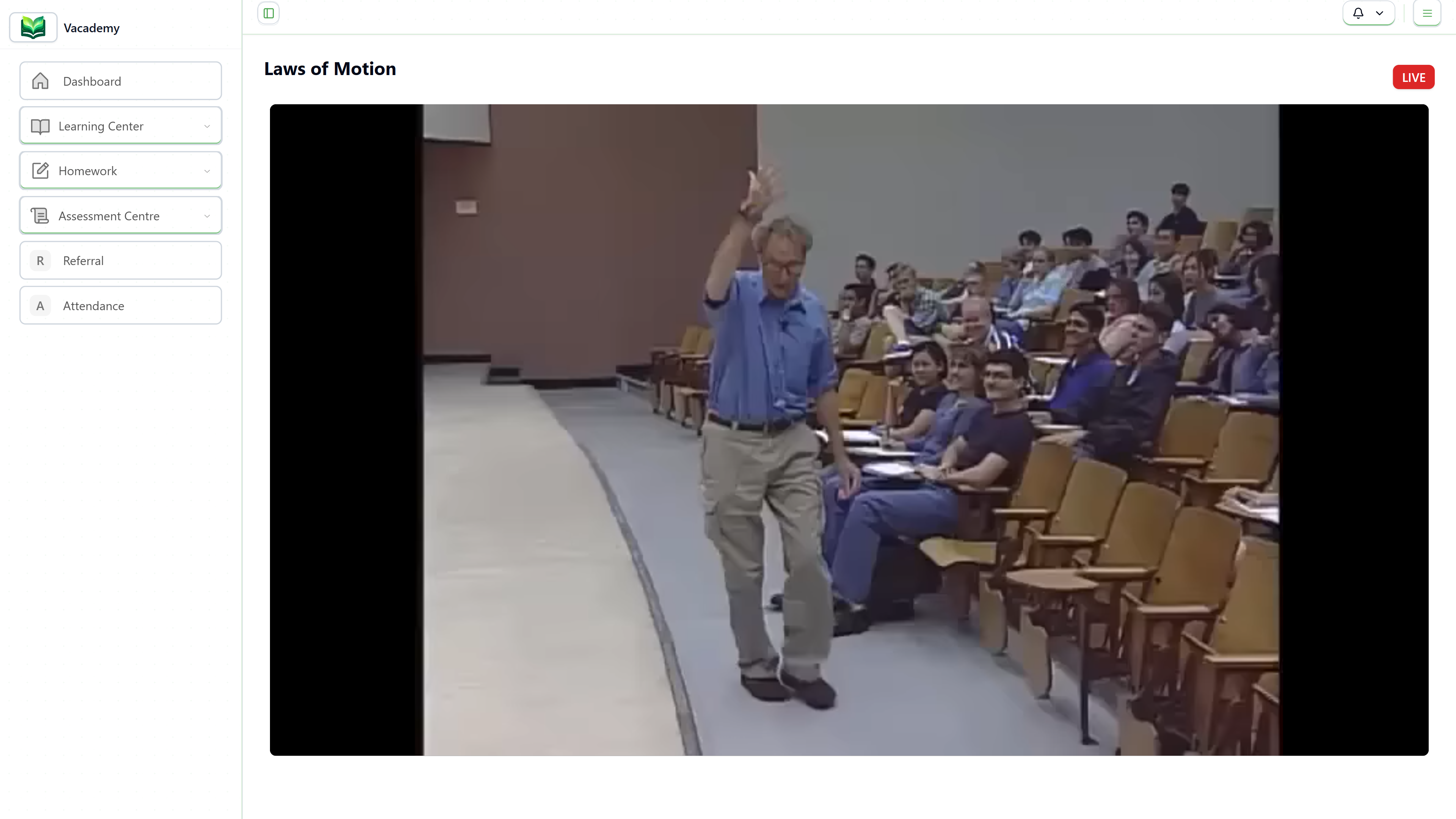
How AI is Revolutionizing Personalized Learning
1. Adaptive Content Delivery
AI analyzes how quickly a student grasps concepts and automatically adjusts the difficulty and pace of content. If a learner struggles with algebra, the system provides additional practice problems and simpler explanations. If they excel, it introduces advanced challenges to keep them engaged.
Real-world impact: Students who used adaptive learning platforms showed 30-40% improvement in test scores compared to traditional one-size-fits-all approaches, according to recent educational research.
2. Personalized Assessment Generation
Instead of giving every student the same test, AI generates unique assessments based on each learner's current knowledge level, learning style, and areas that need reinforcement. This ensures assessments are fair, relevant, and actually measure what each student has learned.
Modern platforms can generate questions from course content, adjust difficulty based on past performance, and create practice tests that target specific weak areas—all automatically.
3. Intelligent Learning Path Recommendations
AI creates custom learning journeys for each student. Based on their goals, current knowledge, and learning preferences, the system recommends which courses to take next, which topics to review, and which skills to develop. This prevents learners from getting stuck or overwhelmed.
Smart Sequencing
AI determines optimal order of topics based on prerequisites and learning patterns
Pace Adaptation
System adjusts speed based on comprehension and engagement levels
Goal Alignment
Learning paths align with individual career or academic objectives
4. Real-Time Feedback and Support
AI-powered systems provide instant, personalized feedback on assignments, quizzes, and projects. Instead of waiting days for teacher feedback, students get immediate explanations of mistakes, suggestions for improvement, and encouragement when they succeed.
5. Learning Style Adaptation
Some students learn better through videos, others through reading, and some through hands-on practice. AI identifies each learner's preferred style by analyzing engagement patterns and automatically presents content in the most effective format. Visual learners get more diagrams and videos, while reading-focused learners receive detailed text explanations.
6. Predictive Analytics for Early Intervention
AI can predict when a student is likely to struggle or disengage before it happens. By analyzing patterns like decreased activity, slower progress, or declining quiz scores, the system alerts educators to provide extra support. This proactive approach prevents students from falling behind.
The Benefits of AI-Powered Personalized Learning
Improved Learning Outcomes
Students learn more effectively when content matches their needs. Personalized learning has been shown to increase retention rates by up to 60% compared to traditional methods.
Increased Engagement
When learners see content relevant to their level and interests, they stay engaged longer. AI ensures every student finds the material challenging but not overwhelming.
Time Efficiency
Students spend time on what they need to learn, not reviewing concepts they've already mastered. This accelerates overall progress and reduces frustration.
Scalable Personalization
AI makes it possible to provide personalized attention to thousands of students simultaneously—something that would be impossible with human teachers alone.
How Modern Platforms Enable Personalized Learning
Today's advanced learning management systems integrate AI throughout the learning journey, making personalized education accessible to institutions of all sizes.
AI-Powered Content Generation
Modern platforms can automatically generate course content, quizzes, and assessments from simple prompts or uploaded materials. This allows educators to create personalized learning materials quickly and at scale.
Adaptive Assessment Systems
Intelligent assessment tools can generate questions at different difficulty levels, adapt to learner performance in real-time, and provide instant personalized feedback. This ensures every student gets assessments that accurately measure their understanding.
- Difficulty adjustment based on past performance
- Personalized question selection from large banks
- Instant feedback with learning recommendations
Progress Tracking & Analytics
Comprehensive analytics dashboards track individual learner progress, identify strengths and weaknesses, and provide insights that help educators tailor their teaching approach. Learners can see their own progress and understand what areas need more attention.
Automated Learning Paths
AI systems can automatically create and adjust learning paths based on learner goals, performance, and preferences. This ensures each student follows an optimal sequence of courses and topics for their individual needs.
Platforms like Vacademy integrate these AI capabilities throughout the learning experience, making personalized education practical for educators and accessible for learners worldwide.
Real-World Impact of AI in Personalized Learning
Case Study: Adaptive Learning in STEM Education
A coding academy implemented AI-powered personalized learning for 500+ students. The system tracked each student's coding progress, identified concepts they struggled with, and automatically generated practice problems at appropriate difficulty levels.
Results: Students using the personalized system showed 45% faster skill acquisition and 35% higher project completion rates compared to the traditional curriculum approach.
Corporate Training Transformation
A corporate training department used AI to personalize onboarding programs for new employees. The system adapted content based on each employee's role, prior experience, and learning pace. Employees who needed more time on certain topics received additional resources automatically, while those who progressed quickly were moved to advanced modules.
The Future of Personalized Learning
As AI technology continues to advance, personalized learning will become even more sophisticated. We're moving toward systems that understand not just what students know, but how they think, what motivates them, and how to keep them engaged throughout their learning journey.
Frequently Asked Questions
What exactly is personalized learning?
Personalized learning is an educational approach that tailors instruction, content, and pace to each individual learner's needs, preferences, and abilities. AI makes this scalable by analyzing vast amounts of data about each student's performance, learning style, and progress to create customized learning experiences.
How does AI personalize learning content?
AI personalizes learning by analyzing data points like quiz scores, time spent on topics, engagement patterns, and learning preferences. It then adjusts content difficulty, recommends relevant materials, generates personalized assessments, and creates custom learning paths for each student.
Is AI replacing teachers in personalized learning?
No, AI is not replacing teachers. Instead, it's augmenting their capabilities. AI handles data analysis, content generation, and adaptive delivery, while teachers focus on mentorship, complex problem-solving, emotional support, and creating meaningful learning experiences. The best personalized learning combines AI efficiency with human insight.
Can personalized learning work for large classes?
Yes, that's one of AI's greatest strengths in education. AI can analyze and personalize learning for thousands of students simultaneously, something that would be impossible for human teachers alone. Modern learning platforms can provide individualized attention at scale.
What data does AI need to personalize learning?
AI uses various data points including assessment performance, time spent on different topics, quiz results, assignment submissions, engagement metrics (like video watch time, reading completion), and learning preferences. This data is analyzed to understand each learner's strengths, weaknesses, and optimal learning style.
How accurate is AI at personalizing learning?
Modern AI systems are highly accurate at identifying learning patterns and personalizing content. They continuously learn and improve from each interaction. However, the best results come from combining AI insights with teacher expertise and feedback from learners themselves.
Do students need technical skills to use AI-powered personalized learning?
No, modern learning platforms are designed to be intuitive. The AI works behind the scenes to personalize the experience, but students interact with a simple, user-friendly interface. The personalization happens automatically without requiring any technical knowledge from learners.
How do educators benefit from AI-powered personalized learning?
Educators benefit by saving time on content creation, getting detailed insights into each student's progress, identifying at-risk learners early, and having more time to focus on teaching and mentoring. AI handles the data analysis and content adaptation, while teachers make strategic decisions and provide human connection.